


For commercial transactions based on weight, the weighing system must meet applicable legal-for-trade requirements. NTEP-certified equipment is commonly required in the U.S., along with any applicable state or local inspection and approval requirements.
Overview
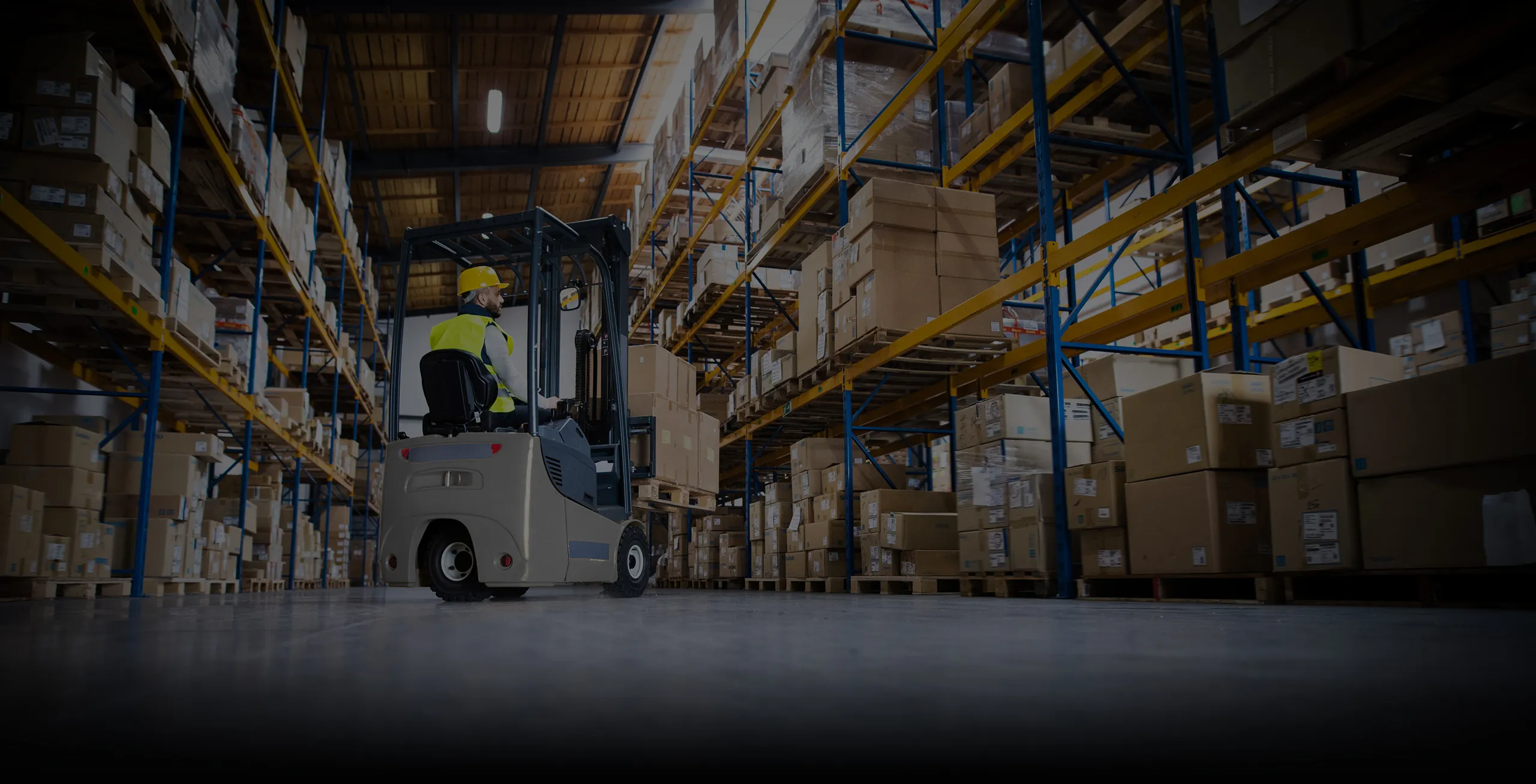
Weighing Solutions for Transport, Freight and Logistics Operations
The transport and logistics industry relies on efficient and reliable data to ensure peak performance, without compromising on safety. Industrial weighing scales and systems from Avery Weigh-Tronix include truck scale options, forklift scales, floor and platform scales, and weight indicators. These help ensure billing is accurate by monitoring cargo weights, tracking data, and helping operators optimize vehicle payload while staying within applicable weight limits.
Our weighing systems simplify compliance with health and safety regulations while maintaining efficiency throughout your organization, controlling costs, and safeguarding profitability. Choosing the right logistics scale for the application — and connecting it to the right weight indicator or scale software — helps protect revenue and improve throughput.
Key Specifications for Compliance and Long-Term Reliability
Whether freight is being moved by road, rail, sea, or air, many logistics companies charge by weight. To do so, it is important that they use scales that will protect their revenue — this is where legal-for-trade accuracy is required. Avery Weigh-Tronix provides a wide range of legal and non-legal scales which provide reliable, repeatable weighing of goods, ensuring customer satisfaction, precise billing, and accurate inventory records.
Avery Weigh-Tronix truck and floor scales use Weigh Bar® sensors designed for rugged performance in demanding industrial environments. Sensor cabling is stainless-steel sheathed and internally routed for protection against moisture and rodents. When evaluating a system, consider warranty coverage and service requirements alongside capacity, installation and environmental demands. (Internal link for Weigh Bar)
- Required capacity for the heaviest load or vehicle expected
- Legal-for-trade status needed for the application
- Pit-mounted, surface, portable, or permanent installation fit
- Stainless-steel or sealed-cable construction appropriate to the site’s environment
- Warranty coverage on the structure and sensors
- Integration needs — indicator connectivity, software, and back-office data flow
For US Interstate operations, federal limits generally include 80,000 lb gross vehicle weight, 20,000 lb on a single axle, and 34,000 lb on a tandem axle, with the Federal Bridge Formula and applicable permits or exceptions also affecting allowable loads. State and route requirements can differ, and commercial weighing transactions should also confirm applicable NTEP and state inspection/approval requirements.
Applications
Choose the Right Weighing System for Your Logistics Operation
Different logistics tasks call for different weighing systems. Weighing a pallet on the way to storage solves a different problem than weighing a truck at the gate, tracking an individual axle for compliance, or turning any of that weight data into a business record.
Compare Logistics Weighing Systems
A logistics operation choosing between these systems should start with the physical task first: what is being weighed, how heavy is it, is it moving or stationary, does the reading need to be legal-for-trade, and does the weight record need to reach inventory, billing, or compliance systems?
Application Need |
Best-fit Solution |
Common Logistics Use Cases |
What to Evaluate |
Weigh a load while it’s already moving, without a separate trip to a scale |
Forklift scales | Warehousing, freight terminals, recycling centers | Capacity, ITA class fit, legal-for-trade status, off-axis load compensation, wireless data transfer |
Weigh an entire vehicle at intake or departure |
Truck scales — permanent or portable | Distribution centers, landfills/recycling, quarries, dealer yards | Pit vs. surface, portable vs. permanent, gross capacity, NTEP status |
Fixed weighing for staging, receiving, and shipping |
Floor and platform scales | Warehouse goods-in/out, cross-dock staging | Capacity, deck size, pit-mounted vs. low-profile |
Turn any of the above into usable business data |
Weight indicators and controllers | All of the above | Connectivity, display, data transfer and system integration. |
Automate vehicle in/out and billing at high-traffic sites |
Scale software and unmanned kiosk systems | Distribution centers, landfills, high-traffic gates | Named protocol support, kiosk hardware options, reporting/ticketing |
The right logistics scale system isn’t just a scale with the correct capacity — it’s the system that fits the workflow, the installation site, the compliance requirement, and where the weight data needs to go next.
Need help matching a weighing system to your operation?
Logistics Weighing Systems
Match Weighing Systems to Your Logistics Operation
Truck Scale Options for High-Volume Vehicle Weighing
With the high cost of fuel, bulk carriers have to balance the need for optimal loading with concerns about safety. Truck scales and weighing systems from Avery Weigh-Tronix help ensure that trucks are loaded to the ideal weight and conform to stringent legal maximum-weight regulations. Accurate weighing helps companies avoid costly fines as well as premature vehicle wear due to excessive loading.
Avery Weigh-Tronix offers permanent and portable truck scale configurations, including pit-mounted and surface-mounted installations. Site layout, traffic volume, installation requirements and whether the weighing point needs to move should guide the configuration.
For increased efficiency, truck scales can be used as part of complete traffic management systems to create unattended weighing solutions, letting drivers complete weighing transactions 24/7 without leaving their cab.
Forklift Scales for Faster Pallet Weighing and Loading
In logistics, time is money. A forklift scale allows drivers to lift and weigh bundled materials on the truck, enabling drivers to take commodities directly to storage upon delivery while tracking weight, origin, and storage location. This results in real-time weight data used for billing and inventory management.
Avery Weigh-Tronix forklift scale carriages use Weigh Bar® sensors with off-axis load compensation designed to maintain weighing accuracy during typical forklift handling conditions.
Legal- for-trade (NTEP) carriages are available where product is billed by weight; non-legal-for-trade carriages support internal monitoring only.
Benton Express
Benton Express implemented Avery Weigh-Tronix legal-for-trade forklift scales to replace customer-provided weight statements for hundredweight billing, and reported an additional 1.5% revenue per month once shipments were independently verified at the point of handling.
Cougle’s Recycling
Cougle’s Recycling reported a 30% productivity increase after retrofitting seven lift trucks, by removing the trip to a shared floor scale from its receiving and grading process. (Individual customer results, not a general performance guarantee.)
Floor Scales, Platform Scales, and Axle Scales for the Rest of the Workflow
Forklift and truck scale options cover loads in motion and complete vehicles, but logistics operations may also require fixed floor or platform scales for receiving, staging, shipping and inventory workflows. Axle weighing systems can also use multiple platforms to capture steering, drive and trailer axle weights where individual-axle monitoring is required.
See our Floor and Platform Scale Solutions
Weight Indicators and Controllers: The Data Hub
A digital weight indicator does more than show a number. Avery Weigh-Tronix weight indicators collect, store, and communicate weight data, and more advanced models transmit that data wirelessly to back-office systems. Indicators can also connect to printers, barcode scanners, and computers for integration into existing networks.
Truck Scale Comparison
Compare Truck Scale Options and Installation Types
Pit-mounted versus Surface Truck Scales
Consideration |
Pit-mounted |
Surface (above-ground) |
Footprint |
Lower profile, sits at grade | Requires an approach ramp |
Site prep |
More excavation/foundation work | Simpler foundation, faster install |
Best for |
Limited grade change, flush-surface requirement | Space for an approach, shorter construction timeline |
Portable versus Permanent Truck Scales
Consideration |
Portable |
Permanent |
Installation |
Designed for faster setup on a suitable prepared surface | Requires a permanent foundation and site installation |
Best for |
Temporary sites, gap-filling, locations that may change | High-volume, fixed weighing points |
Upgrade path |
Can convert to permanent, low-profile scale later | N/A |
Which is right for your operation?
The appropriate method depends on required accuracy, throughput, regulatory requirements and how the weight data will be used. Avery Weigh-Tronix offers static truck weighing solutions.
Planning a new truck scale installation or replacing existing equipment?
Connectivity
Connect Scale Data to Your Business Systems
Accurate weighing is more valuable when the data can move directly into the systems that manage inventory, shipping, billing and operations. Avery Weigh-Tronix weight indicators and scale software can help capture weight data at the point of weighing and transfer it into back-office systems, reducing manual data entry and the risk of transcription errors.
Scale Software and Automated Weight Capture
Scale software can turn individual weight readings into usable business records for reporting, transaction management, inventory control and invoicing. Depending on the equipment and software selected, Avery Weigh-Tronix systems can support integration with warehouse management systems (WMS), transportation management systems (TMS), ERP platforms and other enterprise applications.
Supported Avery Weigh-Tronix products offer connectivity options such as RESTful APIs, MQTT, EtherNet/IP and Modbus TCP, allowing weight data to be shared with connected systems where appropriate. Compatibility varies by indicator, software platform and application, so integration requirements should be confirmed when selecting a weighing system.
Automating weight capture can also reduce repetitive administrative work. In one Avery Weigh-Tronix customer application, Franks Trucking Company replaced manual ticket entry with weighing management software and reported saving more than twenty days of administrative work per year. Individual results will vary by operation.
Unmanned Truck Scale Operations
For high-traffic sites, weighbridge controls can be integrated into a standalone kiosk that enables 24/7 unattended weighing, letting drivers complete a transaction without leaving the cab. Supporting options include vehicle detection loops, barrier gates, traffic lights, RFID readers, intercoms, and remote displays.
Ready to automate your gate or scale house?
Transport Solutions
Industrial Weighing Solutions for All Transport Carrier Types

Aviation
Scales and weighing equipment for aviation.

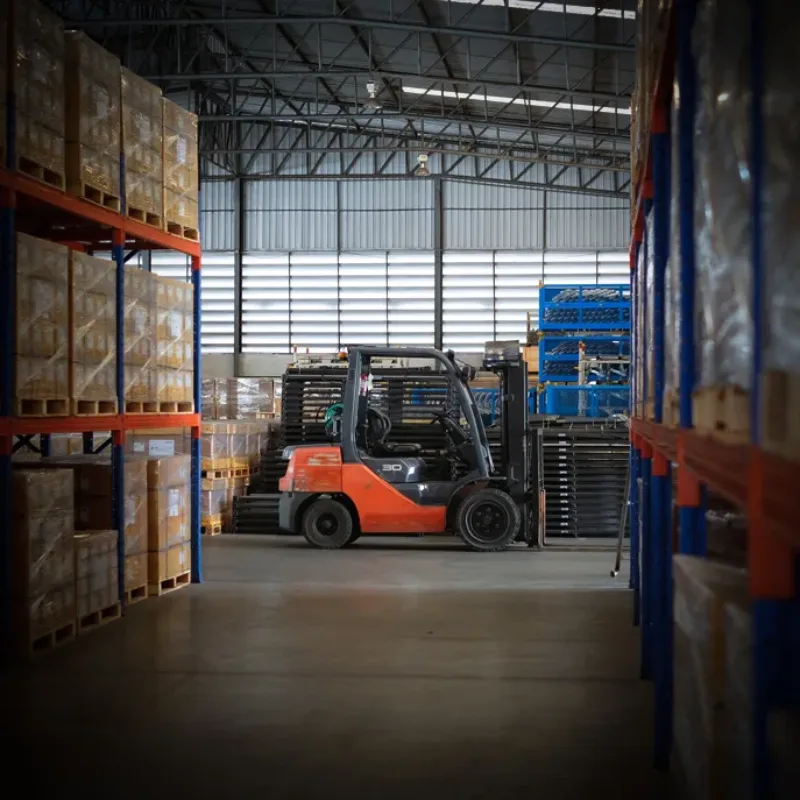
Logistics
Scales and weighing equipment for logistics.
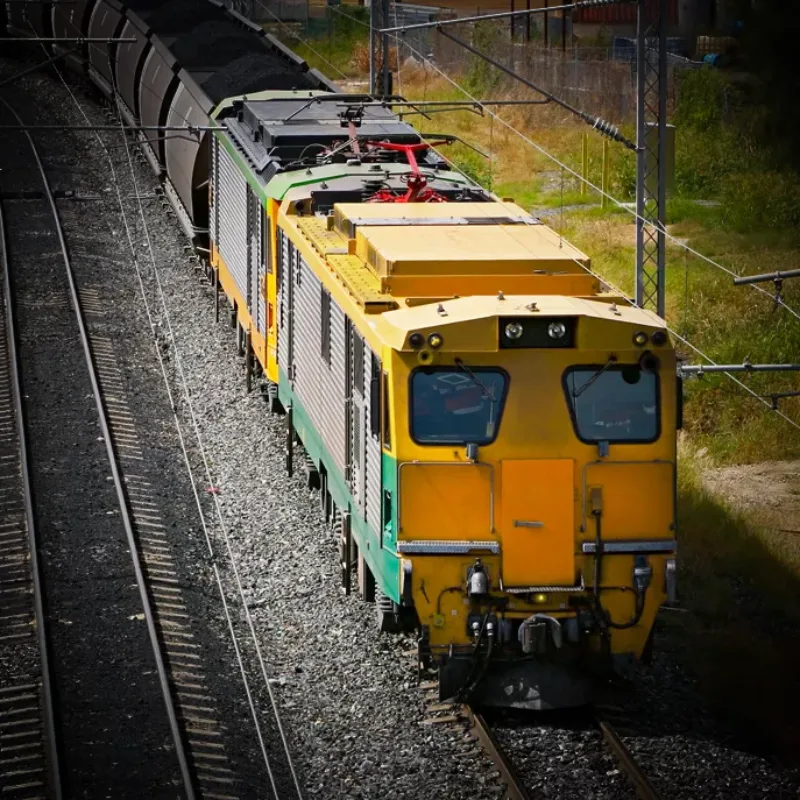
Rail and Train
Scales and weighing equipment for train and rail transportation.

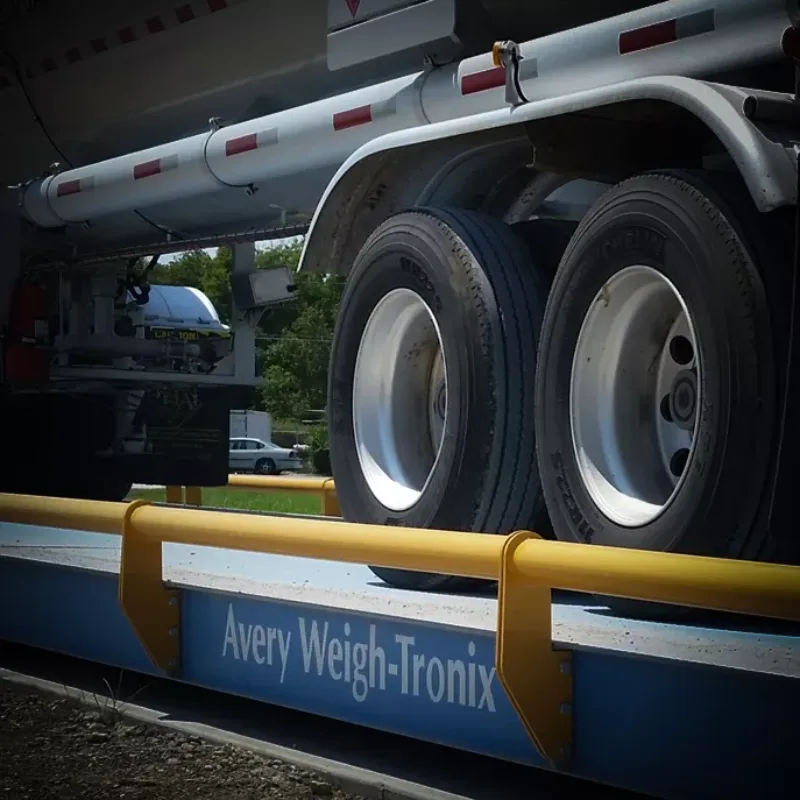
Road
Scales and weighing equipment for road transportation.

Sea
Scales and weighing equipment for sea freight.
Weighing Solutions for Transportation and Logistics



Transport and Logistics FAQ
It depends on your site. Pit-mounted scales sit at grade with a lower profile but require more excavation; surface-mounted scales need an approach ramp but install with less site prep. See the installation comparison above for the full breakdown.
Depending on the equipment and software selected, Avery Weigh-Tronix systems can transfer weight data into back-office, warehouse and enterprise applications using supported connectivity methods such as RESTful APIs, MQTT, EtherNet/IP and Modbus TCP. Confirm compatibility with your specific WMS, TMS or ERP platform when selecting a system.
By weighing a load while it’s already being moved by the forklift, instead of routing it to a separate stationary scale and back. This removes a step from the receiving and shipping workflow.
That depends on the specific carriage or scale model. Avery Weigh-Tronix offers both legal-for-trade (NTEP-certified) and non-legal-for-trade configurations across its forklift, floor, platform, and truck scale lines — confirm the NTEP status of your specific model before using it for billing transactions.
For US Interstate operations, federal limits generally include 80,000 lb gross vehicle weight, 20,000 lb on a single axle, and 34,000 lb on a tandem axle, with the Federal Bridge Formula and applicable permits or exceptions also affecting allowable loads. State and route requirements can differ, so confirm local rules in addition to the federal maximums.
Results vary by operation. Benton Express reported an additional 1.5% revenue per month after adopting legal-for-trade forklift scales for billing verification, and Cougle’s Recycling reported a 30% productivity increase after retrofitting seven lift trucks. These are individual customer results, not guarantees.
Actual weight is the measured physical weight of a shipment. Dimensional weight uses package dimensions to calculate the space a shipment occupies and may be used by carriers when determining freight charges. Depending on the shipping workflow, both weight and dimensional data may be needed for accurate rating and billing.
Find the Right Weighing Solution for Your Operation
Avery Weigh-Tronix works with a trusted distributor network to provide local sales, installation and service support. Tell us about your application and we’ll help connect you with the right weighing solution.