Food and Beverage Weighing Scales, Checkweighers and Washdown Solutions

Compare food checkweighers, washdown scales, counting scales, bench scales, floor scales and connected weighing systems for food and beverage production, quality control, batching, traceability and legal-for-trade applications.

OVERVIEW

Food and Beverage Weighing Solutions for Production, Handling and Shipping

Accurate weighing is essential throughout food and beverage production, from raw material intake and ingredient weighing to batching, filling, checkweighing, inventory control, packaging verification and outbound shipping.

Avery Weigh-Tronix food and drink weighing solutions are built for demanding production environments where accuracy, uptime and reliability directly affect profitability. A robust, high-quality weighing system can help reduce product giveaway, limit manual data entry, improve traceability, support legal-for-trade requirements and keep production moving with fewer interruptions.

Whether your operation needs washdown scales for hygienic production areas, food checkweighers for portion control, counting scales for inventory management or connected indicators for ERP integration, the right weighing system should match the application, environment and data requirements of the facility. Choosing durable equipment designed for the realities of food and beverage production can reduce downtime, improve operator confidence and support a lower total cost of ownership over time.

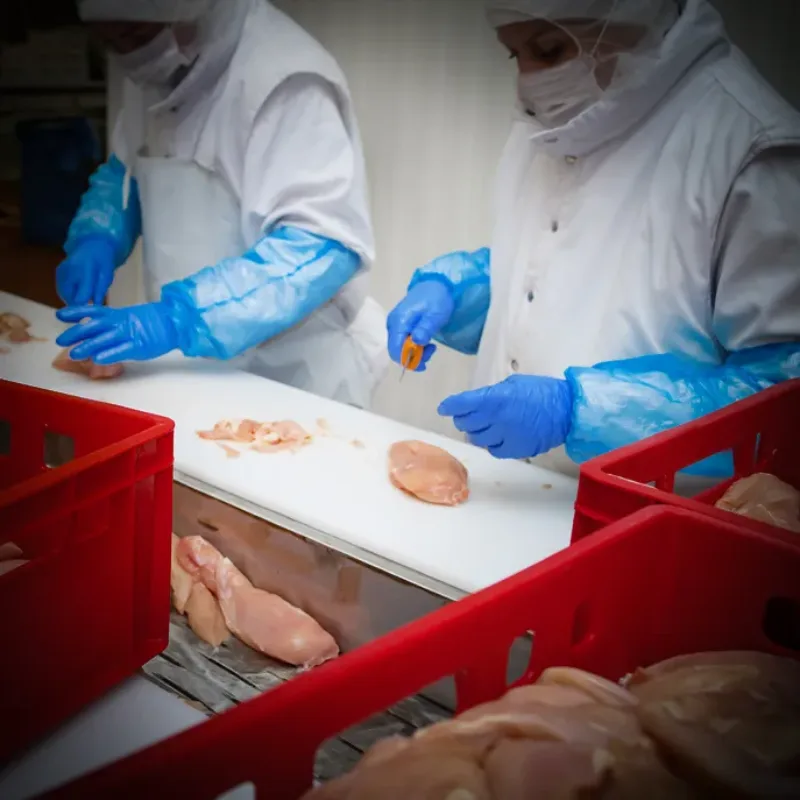
Food and beverage weighing equipment is used across a wide range of applications, including bakeries, dairies, meat processing, prepared food production, beverage production, fresh food handling, packaging, warehousing and distribution. In each environment, the weighing system should be selected around the product being weighed, the cleaning process, the required accuracy, the operator workflow and whether weight data needs to support quality records, batch control, inventory updates or traceability.

Use the guide below to identify the best-fit weighing solution for your food or beverage application.

Key Specifications for Food Weighing Equipment

Food and drink weighing equipment should be designed for the cleaning demands of the production area. In washdown environments, buyers should look for stainless steel construction, hygienic surfaces, reduced food-trap areas and appropriate IP ratings.

IP69 and IP69K-rated scales and checkweighers are especially important where equipment may be exposed to high-pressure or high-temperature washdown procedures. These requirements are common in meat processing, dairy production, prepared foods, fresh food handling and other environments where sanitation is part of the daily production routine.

When evaluating washdown scales, consider the scale base, indicator, cables, seals, mounting location and cleaning process together. A scale may have the right weighing capacity but still be the wrong fit if it cannot withstand the facility’s cleaning procedures.
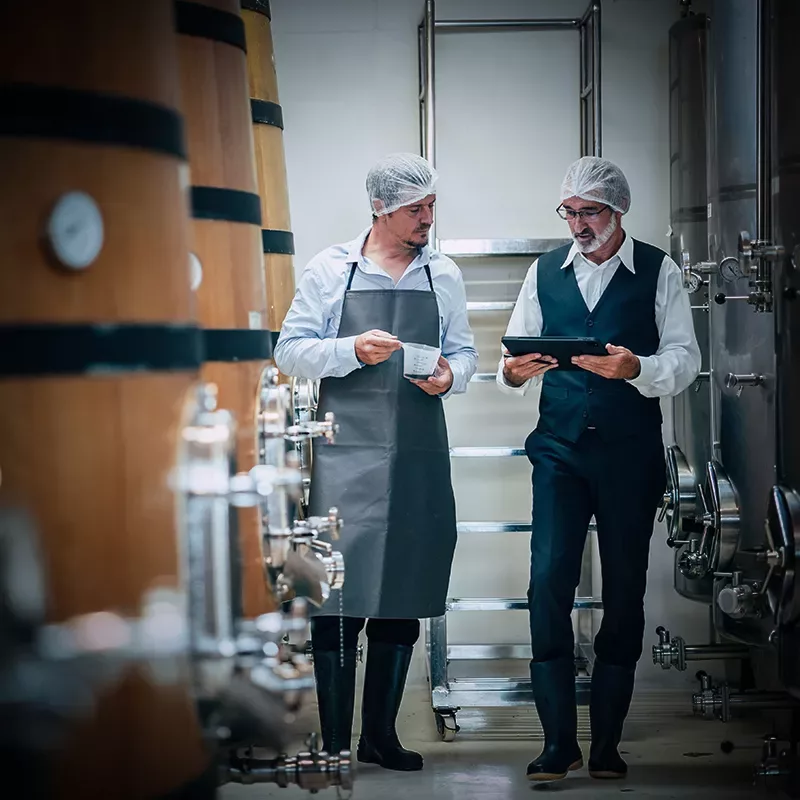
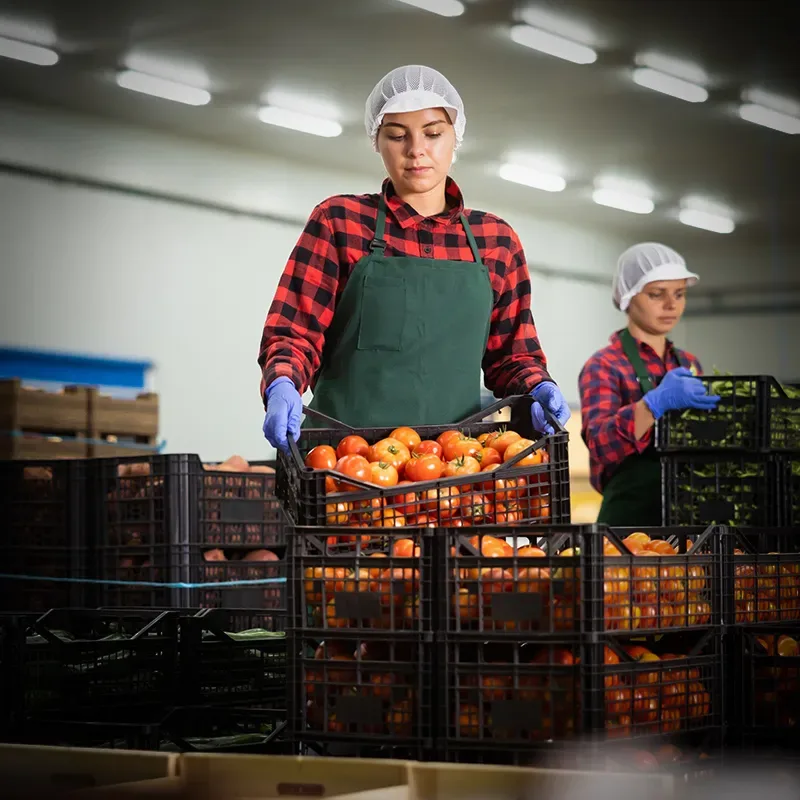
Accuracy requirements change depending on where the weighing system is used. Ingredient weighing and recipe formulation may require fine readability and repeatability. Bulk ingredient handling may require higher capacity and durability. Checkweighing applications may require fast operator feedback against acceptable tolerance ranges.

When selecting a food weighing system, evaluate:

  • Required capacity and readability
  • Product size and container type
  • Static or in-motion weighing requirements
  • Legal-for-trade requirements
  • Washdown and sanitation exposure
  • Operator interaction and display visibility
  • Data capture and reporting needs
  • Integration with indicators, software, ERP or production management systems

Buyers should also consider load cell performance, readability, repeatability and precision requirements, especially where small ingredient changes can affect batch consistency or quality control results.

A food checkweigher helps verify whether products, containers or packages fall within acceptable weight ranges. Static checkweighers are commonly used for manual verification, while in-line checkweighers support higher-volume production lines where products are weighed in motion.

Under/over/accept displays can help operators make faster decisions and reduce overfill or underfill. When connected to indicators, software or back-office systems, checkweighing data can also support batch records, quality checks, inventory updates, shipment documentation and recall readiness.

When food or beverage products are sold by weight, weighing equipment may need to be legal for trade or trade approved. Legal-for-trade equipment helps ensure weight data is accurate and suitable for commercial transactions.

Food and beverage manufacturers may also use weighing systems to support FSMA, HACCP and internal quality programs by documenting ingredient use, batch control, product verification and final package checks. For applications requiring verified weight records, confirm whether NTEP, OIML or other applicable approvals are required before equipment is placed into production.

Product Selector

Choose the Right Food Weighing System for Your Application

Different food and beverage processes require different weighing systems. A bench scale used for ingredient weighing solves a different problem than a floor scale used for bulk goods, a static checkweigher used for manual quality control, an in-line checkweigher used on a conveyor line or a counting scale used for inventory management.

Food Checkweighers, Bench Scales, Floor Scales and Counting Scales Compared


Application Need
Best-fit Solution
Common food & drink use cases
What to Evaluate
Ingredient weighing, manual batching, or small-container checks Bench scales and bench bases Ingredient staging, recipe formulation, portion checks, packaging verification, small batch production Capacity, readability, washdown rating, hygienic design, legal-for-trade requirements
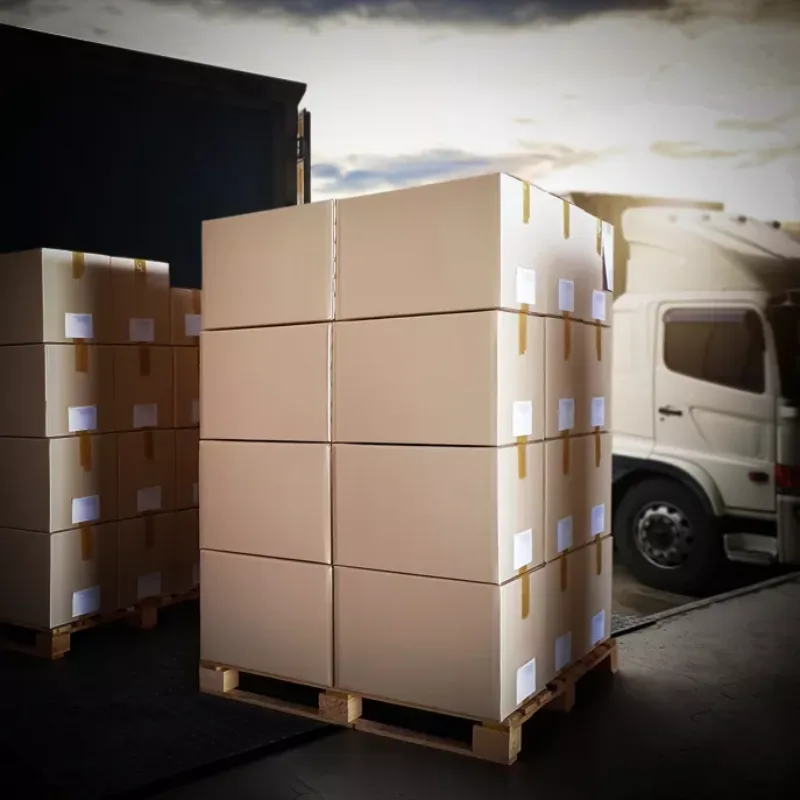
Heavy goods, pallets, bins, totes or bulk ingredients Floor scales and platform scales Goods-in, warehouse weighing, bulk ingredient handling, shipping, logistics, production staging Capacity range, deck size, stainless construction, washdown requirements, overload protection
Manual weight verification and production-floor quality control Static checkweighers and food checkweighers Portion control, under/over/accept checks, grading, batching, food-contact environments Tolerance setup, operator display, IP69K rating, stainless construction, data
In-motion production line verification In-line checkweighers and conveyor checkweighing systems Packaged product checks, line verification, overfill and underfill monitoring, high-volume inspection points Line speed, product size, integration needs, reject handling, data reporting
Inventory and packaging component control Counting scales Piece counting, packaging components, inventory control, stock monitoring, repetitive count workflows Piece-weight storage, counting accuracy, database capacity, connectivity
Recipe control, traceability and reporting Indicators, software and connected systems Batch records, ingredient control, production data capture, audit support, ERP or back-office integration Communication protocols, barcode scanner compatibility, reporting needs, remote access


A food manufacturer choosing between these systems should start with the physical task first: what is being weighed, how heavy is it, how fast does the process move, how often is the equipment washed down, and does the weight record need to connect to quality, inventory or production systems?

For example, a dairy, bakery, meat processor or prepared-food operation may use bench scales for ingredients, floor scales for bulk materials, static checkweighers for manual verification and connected indicators to capture production data. A higher-speed packaged-food line may also require in-line checkweighing where products are weighed while moving through production.

The right food weighing system is not just a scale with the correct capacity. It is the system that fits the workflow, hygiene requirements, operator process, data requirements, and compliance needs.

Hygienic Design

Washdown Scales, Hygienic Design and Food Safety Requirements

Hygienic Scale Design for Food and Beverage Production

Hygiene is critical in food and beverage manufacturing. To support sanitation practices and food safety expectations, food manufacturing scales and weighing equipment should be designed to reduce food-trap areas and withstand washdown cleaning procedures appropriate to the production environment.

IP69K Washdown Protection and Stainless Steel Construction

Many food and drink applications require stainless steel construction, smooth surfaces, protected components and IP-rated protection against water and dust ingress. For heavy washdown environments, IP69K-rated equipment is especially important where scales, indicators or checkweighers may be exposed to high-pressure, high-temperature washdown.

NSF-Approved Bench Scales for Food Areas

Selected Avery Weigh-Tronix products are designed for these demanding environments. For example, the BS Diamond Series bench scale base is available in food-grade stainless steel, is NSF approved for food areas and is IP69K easy to clean. It is suited for food manufacturing, warehouse and shipping applications where dependable bench weighing is required.

Full-System Washdown Performance

Washdown performance should be evaluated across the full system, not only the scale base. Indicators, cables, seals, mounting hardware and connection points should also be considered, especially in production areas exposed to moisture, product residue, cleaning chemicals or temperature changes.

Cleanability and Cross-Contamination Risk

Hygienic scale design can support sanitation programs by making equipment easier to clean between products, batches or production runs. In facilities that manage allergen changeovers or cross-contamination risk, features such as stainless-steel construction, reduced food-trap areas, IP-rated protection and washdown-ready components can help support cleaning procedures and internal food safety programs.

Checkweighing

Food Checkweighers for Quality Control, Portion Checks and Giveaway Reduction

01

Weight Verification for Food and Beverage Products

Checkweighers are used to verify whether a product, container or package is within an acceptable weight range. In food and beverage production, checkweighing can support portion control, packaging checks, grading, batching, final product inspection and underfill or overfill monitoring.

02

Static Checkweighers for Manual Quality Control

A static checkweigher is typically used when an operator manually places a product on the scale for verification. This is useful for sampling, manual portion checks, small production runs and quality control workstations.

03

In-Line Checkweighers for Food Packaging Lines

An in-line checkweigher is used when products move across a conveyor or production line and need to be weighed in motion. In-line checkweighers are typically used for higher-volume packaged food operations where speed, consistency and line integration are important.

04

Reducing Overfill, Underfill and Product Giveaway

Checkweighing systems can also help reduce product giveaway. By identifying products that are above or below target weight, operators can adjust the process, reduce waste and maintain more consistent package weights. When connected to indicators or software, checkweighing data can also be used for quality records, production reporting and process improvement.

Counting Scales

Counting Scales for Inventory and Packaging Control

Weight-Based Counting for Food and Beverage Inventory

Counting scales convert weight into quantity. In food and beverage facilities, counting scales are commonly used for inventory management, packaging component counts, stockroom control and repetitive count workflows.

Average Piece Weight and Repetitive Count Workflows

Instead of counting every item manually, the operator weighs a sample quantity to establish an average piece weight. The counting scale then uses that piece weight to estimate the total count. This can help reduce manual counting time and improve consistency when managing packaging components, containers, labels, closures or other repeatable items.

Full-System Washdown Performance

Washdown performance should be evaluated across the full system, not only the scale base. Indicators, cables, seals, mounting hardware and connection points should also be considered, especially in production areas exposed to moisture, product residue, cleaning chemicals or temperature changes.

Connected Counting Scales for Production and Inventory Systems

Counting scales are especially useful when inventory accuracy affects purchasing, production planning or packaging availability. For facilities that need to connect count data with broader production or inventory systems, counting scales can also be paired with indicators, printers, barcode scanners or connected software.

Batching, Recipe Control and Traceability

01

Ingredient Weighing for Recipe Control

In food production, weighing is a key factor in achieving recipe control and batch uniformity. Accurate scales and connected weighing systems help operators measure ingredients consistently, follow predefined process requirements and reduce out-of-spec results.

02

Manual and Connected Batching Workflows

Recipe control may be handled manually, through operator prompts, or through more connected systems that guide ingredient weighing and record batch activity. For food and beverage manufacturers, this can support consistent product quality, production efficiency and audit readiness.

03

Traceability and Production Records

Traceability is the ability to track raw materials, ingredients and finished products through the supply chain. By capturing accurate weight records throughout production and packaging, food suppliers can support quality control, inventory management and recall readiness.

04

ERP Integration for Batch and Quality Data

When weighing systems are connected to indicators, software, barcode scanners or ERP systems, weight data can move beyond the scale display and become part of the facility’s broader production record.

Integration & Maintenance

ERP Integration, Data Capture and Maintenance Planning

Connecting Food Weighing Systems to Production Workflows

Food and drink weighing systems are often part of a wider production environment. Before selecting a scale, checkweigher, indicator or software solution, buyers should consider how the equipment will connect to the systems already used in the facility.

ERP Integration and Data Capture Requirements

Common integration questions include:

  • Does the weighing system need to send data to an ERP or production management system?
  • Will operators use barcode scanners, printers or other peripherals?
  • Does the system need to support real-time monitoring?
  • Is browser-based access or remote support needed?
  • Will weight data be used for quality records, inventory, batching or traceability?
  • Is the system replacing one component or being added to an existing weighing process?

Connected Indicators for Counting, Batching and Checkweighing

Connected indicators can help move weighing data beyond the scale display and into production workflows. For example, the ZM303 indicator supports weighing applications such as counting, filling, batching and checkweighing. It also offers connectivity options including Ethernet, RS232 and USB, with the ability to connect to PCs, PLCs, printers, scanners, relays and remote displays.

Maintenance Planning for Food-Grade Weighing Equipment

Maintenance planning should also be part of the buying process. Food-grade equipment may be exposed to heavy washdown, temperature changes, product residue and daily production demands. Facilities should plan for routine inspection, cleaning, calibration checks and verification based on the application, environment and internal quality requirements.

Calibration, Seals and Legal-for-Trade Verification

For washdown environments, pay particular attention to seals, cable connections, ingress protection, scale condition and calibration performance over time. For legal-for-trade applications, verification and sealing requirements should be reviewed before equipment is placed into production.

In this section

Fresh Food

Weighing scales and systems from Avery Weigh-Tronix can help reduce product giveaway when packaging.

Read More

Solutions for Food and Drink

Speak to an expert

Speak to one of our weighing experts to find the right solution for your business

Find out more