


With so many materials being processed, revenue control and inventory management depend on precise quantity measurement, management, and recording. In order to guarantee that material inventories are always accurate, industrial scales are used throughout the manufacturing sector for weighing, controlling, and recording goods in and out.
Benefits
Weigh Right, the First Time, at Every Stage of Production
Keep Inventory Accurate
Confirm materials in and out with industrial floor scales and counting scales, so stock records match what’s actually on the shelf or the floor.
Reduce Product Giveaway and Rework
Catch over- and under-filled product before it ships with checkweighers built for production-line speed and accuracy.
Support Traceability and Compliance
Connect scales to weight indicators and software so every weighing event is logged, timestamped and ready for an audit.
Protect Uptime and Worker Safety
Rugged, overload-protected construction keeps equipment running and helps prevent accidents that come with unknown or excessive loads.
Overview
Industrial Weighing Scales and Systems for Manufacturing Production, Inventory and Shipping
To maintain compliance and competitiveness in the manufacturing industry, weighing equipment should be used at all critical production stages. Sophisticated software and indicators can be combined with electronic scales, such as truck scales, industrial floor scales, or checkweighers, to create industrial weighing scale systems that provide a high level of accuracy for manufacturing applications.
The way manufacturers operate is changing due to a combination of factors such as environmental policies, legislation, and customer demand. There is an increasing demand for data to demonstrate that businesses are sourcing materials ethically, using sustainable production methods, and minimizing waste. Manufacturers can make operations as lean and profitable as possible by measuring inputs, gathering data, and analyzing activities like waste consumption and disposal with the help of weighing and counting scales and systems.
Scales and weighing systems for manufacturing environments must be accurate and reliable and built to withstand heavy washdowns, potentially abrasive environments, and daily use.
Use the comparison guide below to match each manufacturing task to the right industrial weighing scale, then explore Avery Weigh-Tronix floor scales, counting scales, checkweighers and connected indicators used across manufacturing operations.
End-of-line scales – often platform scales, floor scales, or bench scales – are used to pack the correct amount of product into boxes for shipping. Accurately measuring products leaving a facility is essential for revenue management and reporting, as well as ensuring shipping costs are within budget and vehicles are not overloaded.
Overuse or underuse of materials can lead to unnecessary expenses, inconsistent product quality, and costly reworks. Accurate weighing and measurement of the quantity of materials bought and used is essential to prevent deviation and potential product defects, as well as for inventory control, and financial reporting purposes.
Traceability is essential for tracking raw materials throughout the production process and ensuring accountability. Accurate weighing systems provide a reliable record of material usage, which is important for quality assurance, troubleshooting, and auditing purposes.
By knowing the weight of materials and products as they pass through the production, assembly, and packaging processes, manufacturers can avoid equipment failures, accidents, and injuries caused by excessive loads. Safety is paramount throughout the manufacturing sector, and precise measurements can be used as a way to stay compliant and protect workers on the production line.
Key Specifications
What Is an Industrial Weighing Scale? Key Specifications to Review
An industrial weighing scale is any scale or weighing system designed for repeated use in a production, warehouse or shipping environment, rather than light commercial or retail use. Industrial weighing scales typically include a heavier-duty platform or base, a weight sensor (commonly called a load cell), and a display or indicator that shows the reading and, in some systems, stores or transmits it.
Capacity is the maximum weight a scale can safely and accurately measure. Resolution is the smallest increment the scale can detect. A manufacturing scale used to weigh pallets needs high capacity but not fine resolution; a counting scale used for small parts needs the opposite — a smaller capacity but very fine internal resolution. Repeatability, how consistently a scale reads the same load, matters just as much as either figure on a production floor.
Manufacturing environments range from dry, dusty assembly areas to daily high-pressure washdowns. Look for stainless steel or heavy-duty steel construction depending on the environment, and check the scale’s IP rating — a standardized measure of protection against dust and water ingress. IP69K, for example, indicates protection against high-pressure, high-temperature washdown spray, the highest level of ingress protection commonly used on industrial scales. Several Avery Weigh-Tronix floor scales and checkweighers, including the ProDec Series floor scales and ZM223 checkweigher, are built with fully welded stainless steel and rated IP69K for washdown environments.
When a scale’s reading is used to determine a price, fee or billing amount, it typically must be legal for trade. In the U.S., this generally means the scale carries NTEP (National Type Evaluation Program) approval and meets any applicable state or local weights-and-measures requirements. Many Avery Weigh-Tronix floor scales, checkweighers and forklift scales are available in NTEP-approved, legal-for-trade configurations, as well as non-legal-for-trade versions built for internal process control.
When evaluating an industrial weighing scale, consider:
- Capacity and platform size for the heaviest or largest items you weigh
- Internal resolution and repeatability for small-part counting or fine tolerance checks
- Construction material and IP rating for washdown or dust exposure
- Whether the application requires legal-for-trade / NTEP approval
- Connectivity and data storage needs (indicators, software, ERP)
- Calibration and service access
ROI
Receiving Raw Materials
Verify incoming material weight against the purchase order or bill of lading as it arrives.
Parts Inventory and Kitting
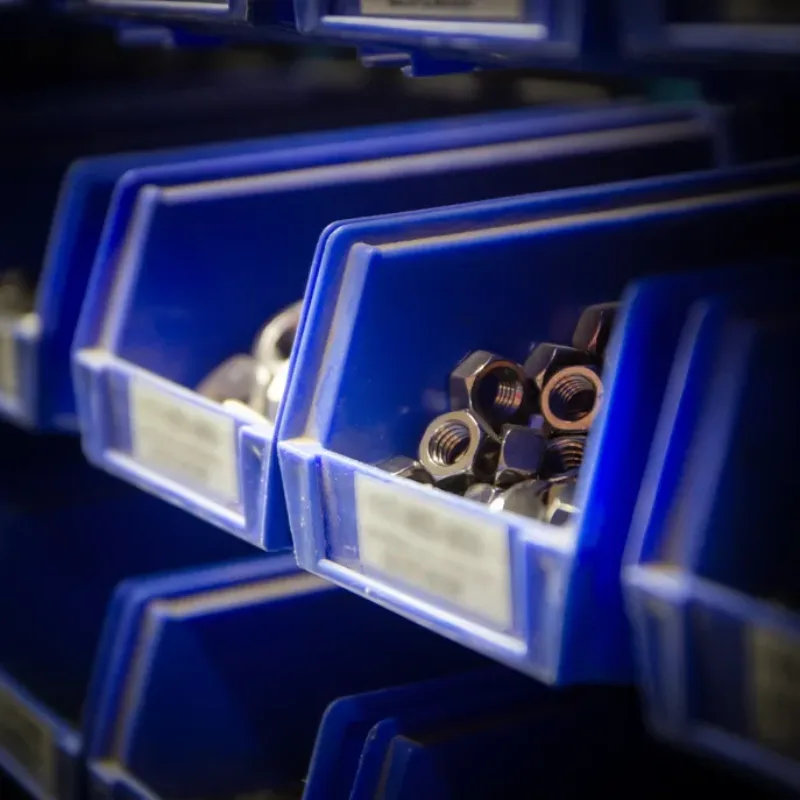
Count fasteners, components and consumables by weight instead of by hand for cycle counts and kitting.
In-Process Quality Checks
Catch material or product weight deviations mid-process, before they become finished-goods defects.
Packaging and Shipping Verification
Confirm outbound packages and pallets meet target weight before they leave the dock.
Material Handling and Transfers
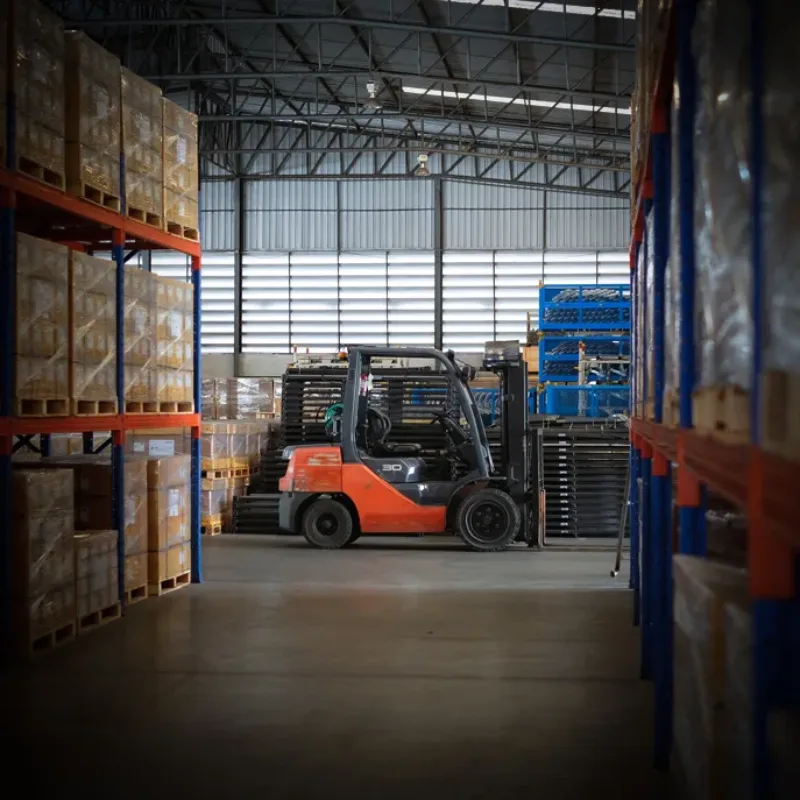
Weigh loads as they move by forklift between receiving, production and shipping, without an extra stop.
Waste and Scrap Tracking
Track scrap and byproduct weight for cost control, sustainability reporting and disposal records.
Selection Matrix
Solutions for Manufacturing



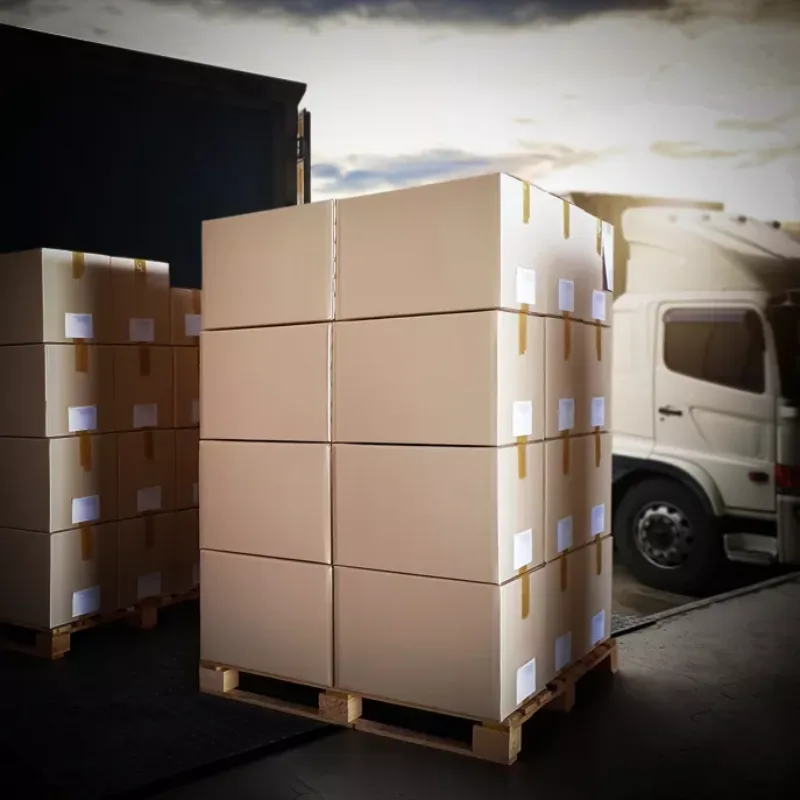

Find a weighing equipment supplier near me
We work with a network of reliable and trusted distribution partners to ensure that we can offer a truly personal, local service, wherever you’re located.


Ceramics, Stone and Glass
Scales and weighing systems for ceramics, stone and glass manufacturing.
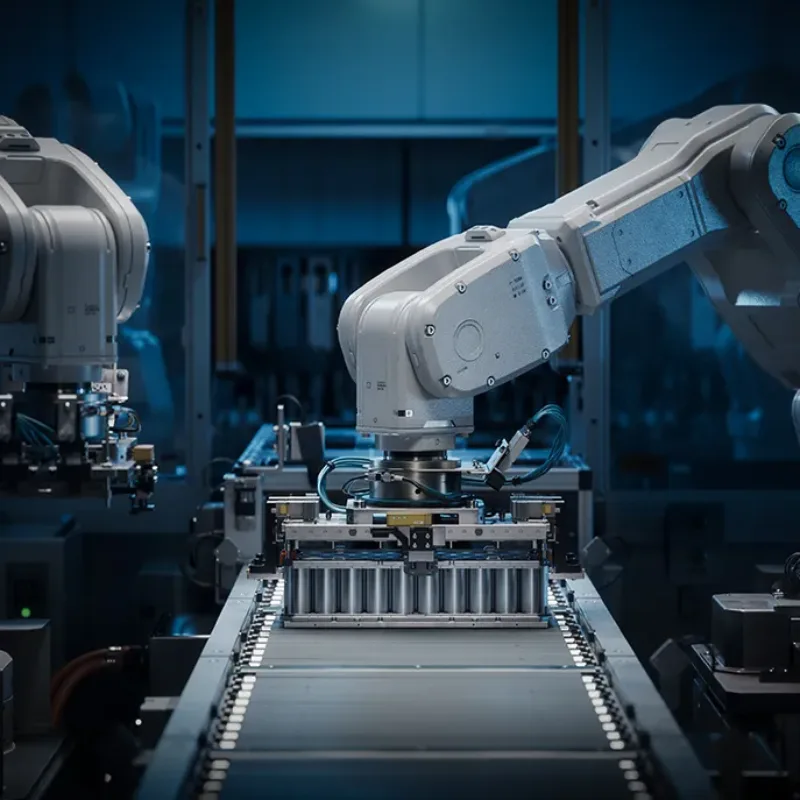
Electronics and Electrical Equipment Manufacturers
Scales and weighing systems for electronics and electrical equipment manufacturers.

Metal Fabrication
Scales and weighing equipment for metal fabrication.

Paper, Pulp and Printing
Scales and weighing equipment for paper, pulp and printing.
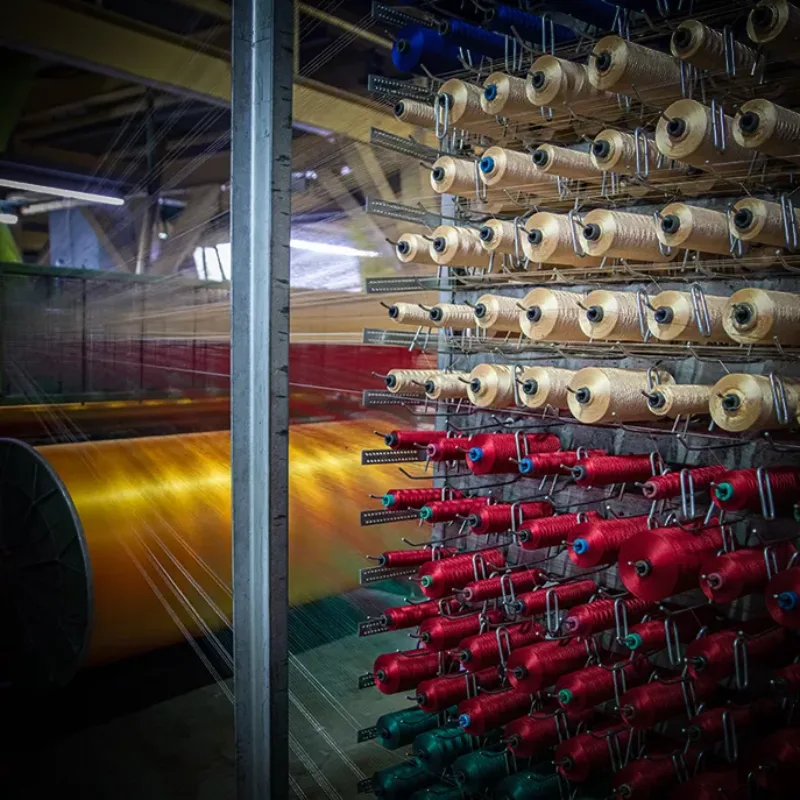
Textile Manufacturing
Scales and weighing equipment for textile manufacturing.

Tobacco
Scales and weighing equipment for tobacco manufacturing.
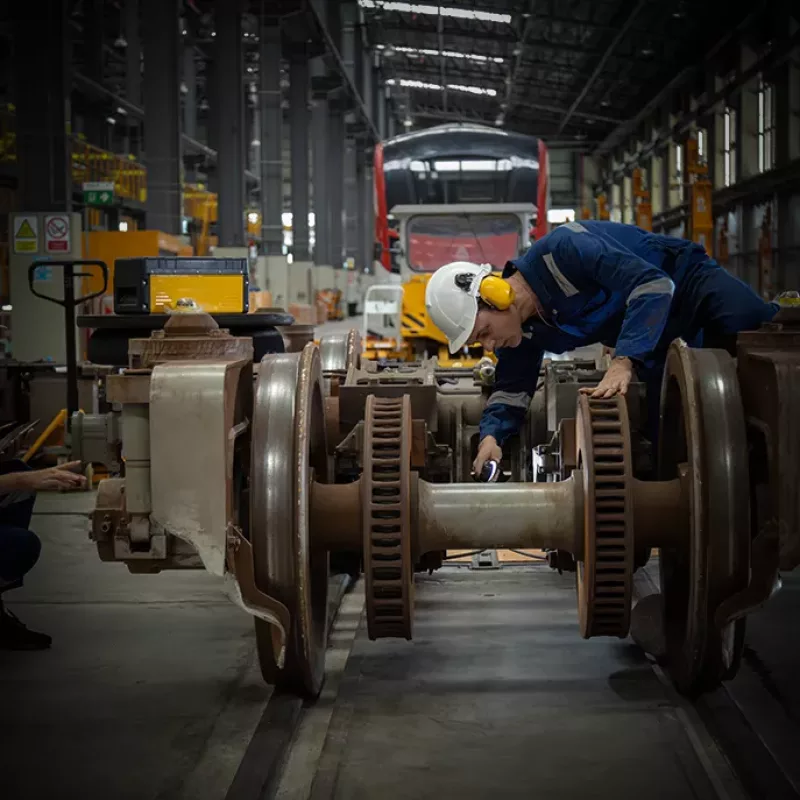
Transportation Equipment
Scales and weighing systems for transport manufacturing.

Wood Products
Scales and weighing equipment for manufacturing wood products.