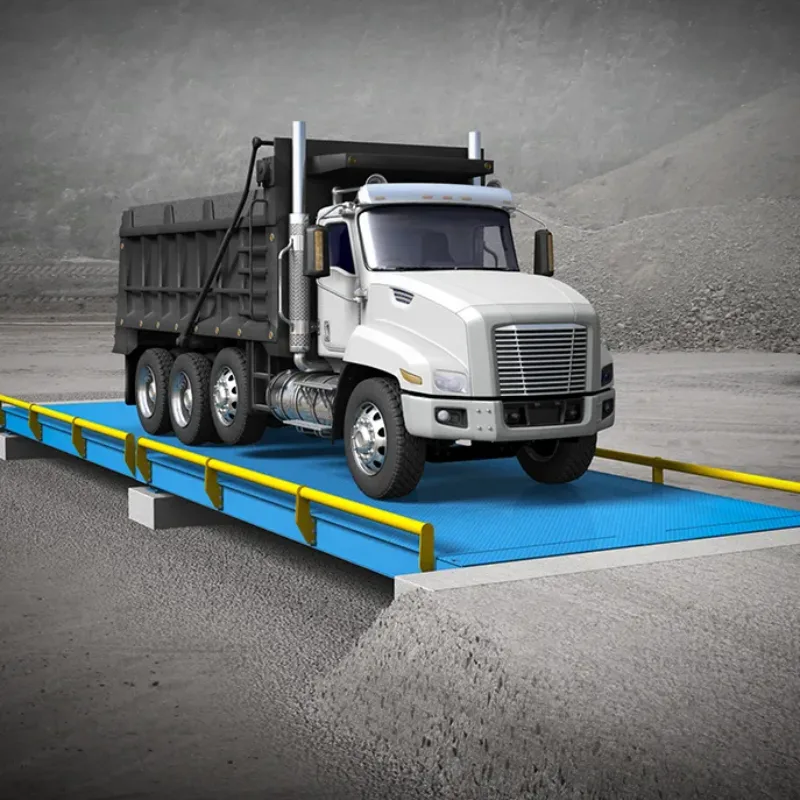
BridgeMont®Standard Duty Steel Deck Truck Scale
BridgeMont® Standard Duty steel deck truck scale, BMS-SD

By selecting the location nearest you, we can best show you the products, services and prices available for your region.
Choose your country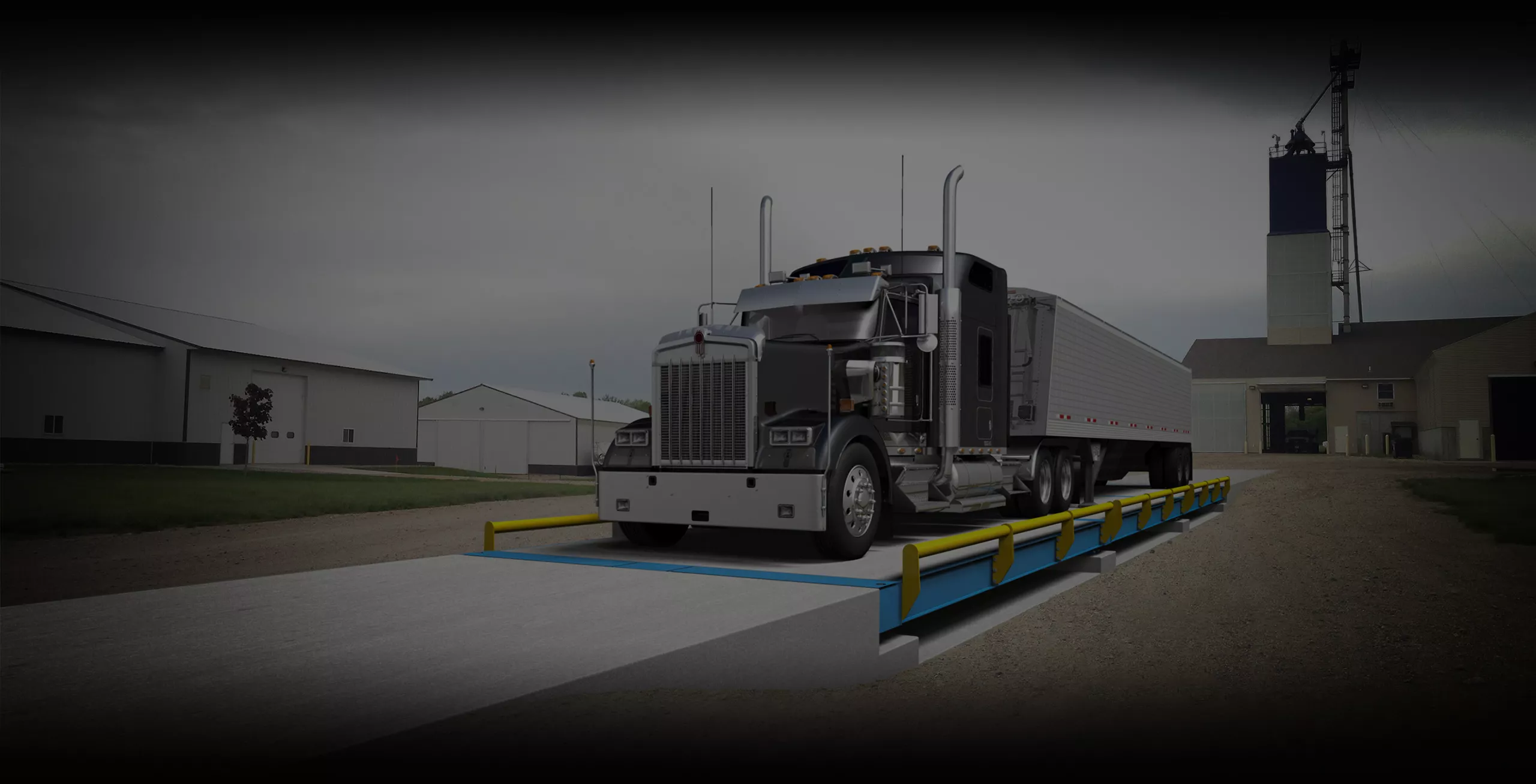
A truck scale is more than a weighing platform. It is a complete industrial weighing system that must fit the vehicles crossing it, the number of transactions the site handles, the conditions around the scale and the way weight data moves through the business.
Avery Weigh-Tronix truck scales are designed for dependable vehicle weighing in logistics, agriculture, aggregates, mining, waste and recycling, manufacturing, construction, and other demanding operations. Each system can be configured around deck material, installation style, platform dimensions, capacity, traffic flow, controls and software requirements.
The weighbridge is manufactured in Fairmont, Minnesota from high-quality A36 steel. Fully assembled, continuously welded construction helps remove structural weak points, while proprietary Weigh Bar [ME1.1][HB1.2]weight sensors are engineered for repeatable weight readings and long service life. Modular, boltless sections use a hook-style connection that supports efficient installation and future changes to the scale configuration.
Standard scale widths range from 8 to 14 feet, with modular length combinations, steel or concrete driving surfaces, and above-ground or pit-mounted designs available. Warranty coverage ranges from 5 to 15 years depending on the model and component. Local support through approved distributors helps connect specification, installation, calibration, and ongoing service.
The right truck scale should hold accuracy, support legal-for-trade requirements where applicable, reduce avoidable downtime, and fit the operation for years. Use the comparisons below to narrow the options before requesting a site-specific recommendation and quote.
Avery Weigh-Tronix manufactures truck scales in Fairmont, Minnesota and works to ISO 9001 quality-management standards. Build quality is checked throughout manufacturing so structural construction, scale components and the finished system meet defined quality requirements before shipment.
High-quality steel, fully welded construction and controlled manufacturing processes support long-term performance in harsh industrial environments. Buyers and project teams can also arrange a tour of the Fairmont manufacturing facility to see how Avery Weigh-Tronix truck scales are built and inspected.
Different truck scale options solve different operational problems. A permanent full-length weighbridge is designed for repeatable vehicle weighing at a fixed site. A portable truck scale supports temporary, seasonal or relocatable work. Pit-mounted and above-ground installations solve different space and access constraints, while static, multi-platform axle and weigh-in-motion systems capture weight in different ways.
Start with the weighing task, not the product name. Define whether the system will be used for commercial transactions, inventory control, compliance checks, loading control or internal process data. Then consider the largest vehicle, heaviest expected load, axle spacing, trucks per day, peak queue, available footprint, environmental exposure and the systems that need the resulting weight data.
Permanent truck scales are generally the best fit for established facilities with consistent vehicle traffic, long-term weighing needs and a prepared site. They can be configured as above-ground or pit-mounted systems and integrated with scale houses, indicators, unattended kiosks, printers, gates, lights and business software.
Portable truck scales are designed for operations that need to relocate the scale, reduce conventional foundation work or begin weighing at a temporary site. Avery Weigh-Tronix BridgeMont BMS-P portable truck scales can be installed on a suitable stable surface and are used in applications such as mining, timber, road construction, asphalt, quarries and construction. Portability does not automatically mean a system is appropriate for every commercial transaction, so type approval, site conditions and local placing-in-service requirements should be confirmed.
An above-ground, or pitless, truck scale keeps much of the system accessible for inspection, cleaning and service. It usually requires ramps and enough approach space for vehicles to enter, position and exit safely. This layout often reduces excavation and makes drainage and under-scale access easier to plan.
A pit-mounted truck scale places the deck near the surrounding road surface. It can be a strong choice when site footprint, traffic layout or elevation makes ramps impractical. Pit construction typically requires more excavation, drainage planning and below-deck cleanout and service access. The best layout depends on available space, soil, water conditions, civil cost and how the scale will be maintained.
Steel deck truck scales can shorten on-site installation because the driving surface arrives as part of the manufactured scale and does not require deck-concrete curing. They are well suited to operations that prioritize a faster installation window, predictable factory construction and a lighter structure.
Concrete deck truck scales can offer strong traction and a durable driving surface for heavy-duty service. They add concrete placement, curing and site coordination to the installation plan. Neither deck is automatically the better choice: traffic, climate, corrosion exposure, traction needs, maintenance practices and the acceptable shutdown window should drive the decision.
A full-length static truck scale weighs the complete vehicle while it is stationary and is the usual starting point for legal-for-trade gross vehicle weighing. Multi-platform configurations can capture axle groups and gross weight during the same stationary transaction, which can help with loading control and axle-weight visibility.
Axle scales, wheel load scales and weigh-in-motion systems address different needs, including screening, enforcement, fleet loading and high-throughput vehicle monitoring. Their accuracy class, operating method and approval status can differ from a full-length static truck scale. Buyers should confirm whether they need legal-for-trade gross weight, axle information, screening data or process control before selecting the system.
Truck scale option |
Best fit |
Site and installation |
Key tradeoffs |
Questions to confirm |
Permanent full-length |
Fixed facilities with repeat vehicle traffic and long-term legal-for-trade or process weighing | Engineered foundation; pit or above-ground; utilities and approaches | Highest site commitment; broad integration options | Vehicles, capacity, transactions per day, trade use, deck and data flow |
Portable full-length |
Temporary, seasonal or relocatable mining, quarry, construction, asphalt and timber sites Suitable stable surface; reduced conventional civil work | Mobility and fast deployment; site and approval requirements still apply | Move frequency, surface, capacity, ramps, power and local approval | |
Above-ground |
Sites with room for approaches and a preference for easier access | Ramps, guardrails and approach space; less excavation than a pit | More footprint; easier cleaning and service access | Available length, grade, turning path, drainage and snow/debris control |
Pit-mounted |
Space-constrained sites or road-level deck access | Excavation, pit walls, drainage and below-deck access | Compact traffic layout; more civil work and cleanout planning | Water table, drainage, confined access, service and debris removal |
Steel deck |
Projects prioritizing faster deck installation and factory-built construction | No field-poured deck-concrete cure | Surface maintenance and traction needs depend on application | Climate, corrosion, shutdown window, point loads and expected life |
Concrete deck |
Heavy-duty sites prioritizing traction and a concrete driving surface | Concrete placement, curing and site coordination | Added installation time and weight; strong operational surface | Cure schedule, climate, reinforcing, traction and civil contractor scope |
Multi-platform axle |
Operations that need stationary axle-group and gross weights | Longer or segmented platform layout | More measurement detail; additional configuration and service considerations | Axle spacings, vehicle mix, trade use and reporting requirements |
Axle or weigh-in-motion |
Screening, enforcement, loading or high-throughput monitoring | Application-specific roadway and sensor design | Higher throughput; not interchangeable with every static legal-for-trade need | Required accuracy, speed, enforcement/trade status and data use |
Truck scale capacity and deck dimensions should be selected around the vehicles the site actually expects to weigh, including future equipment and occasional heavy loads. A nominal maximum capacity is only one part of the decision. Buyers should also review concentrated load capacity, duty cycle, axle loading, traffic volume and how vehicles will be positioned on the deck.
Measure the longest tractor-trailer, rigid truck, tanker or multi-axle combination expected at the site. Record the maximum gross load, axle spacings, vehicle width and any off-road tire or point-loading conditions. Standard Avery Weigh-Tronix truck scale widths range from 8 to 14 feet, and modular sections support multiple length combinations. The BridgeMont BMS-HD is available in configurations up to 135 tons and includes 25-foot module options for selected layouts.
Load cells are the sensing elements that convert force on the weighbridge into a weight reading. Avery Weigh-Tronix truck scales use proprietary Weigh Bar [ME3.1][HB3.2]weight sensors. When comparing truck scale load cells or other sensing technologies, buyers should look beyond the name and ask how the system manages moisture, shock, side forces, overload, cable and electronics exposure, signal stability, diagnostics and replacement access.
Structural capacity, sensing, mounting, checking, indicator performance and installation quality work together. A robust weighbridge cannot compensate for poor drainage, unstable foundations or neglected maintenance. Evaluate the complete scale system and the service plan that will keep it accurate and available.
Solution |
Type |
Deck or role |
Traffic and application |
Configuration highlights |
Next step |
BMS-SDCTA Button (Quote with product filled): Request A Quote |
Permanent | Steel deck | Moderate traffic; highway-limit axle loads | Pit or above-ground; modular sizing | View specifications |
BMS-HDCTA Button (Quote with product filled): Request A Quote |
Permanent heavy duty | Steel deck | High-demand | Up to 135 tons; 25-ft modules | View specifications |
| CTA Button (Quote with product filled): Request A Quote | industrial traffic and heavier loads | modules; multi-platform options | |||
BMC-HDCTA Button (Quote with product filled): Request A Quote |
Permanent heavy duty | Concrete deck | Demanding sites prioritizing concrete surface and traction | Pit or above-ground; multi-platform options | View specifications |
BMS-PCTA Button (Quote with product filled): Request A Quote |
Portable | Steel weighbridge | Temporary, seasonal and relocatable operations | Suitable stable surface; reduced conventional civil work | View portable options |
ZM KioskCTA Button (Quote with product filled): Request A Quote |
Controls | Transaction and driver interface | 24/7 attended or unattended scale operation | ID, printing, vehicle detection, VoIP and indicator integration | View kiosk controls |
BridgeMont® Standard Duty steel deck truck scale, BMS-SD
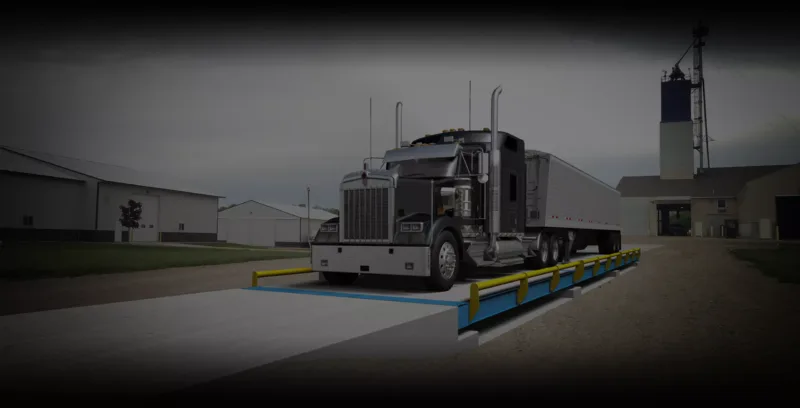
BridgeMont® Heavy Duty concrete deck truck scale, BMC-HD
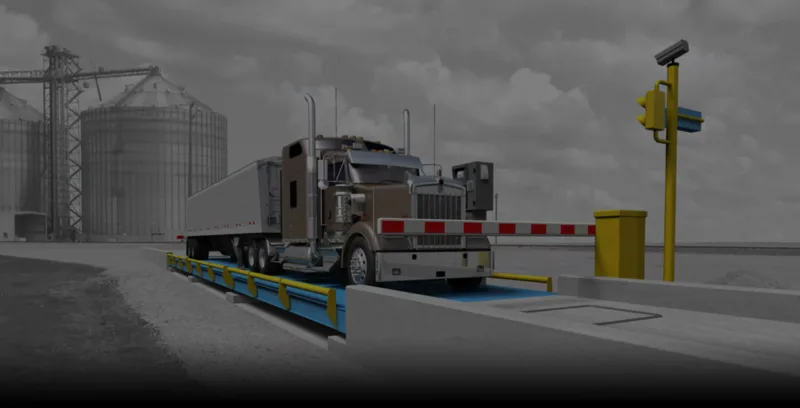
BridgeMont® Heavy Duty steel deck truck scale, BMS-HD
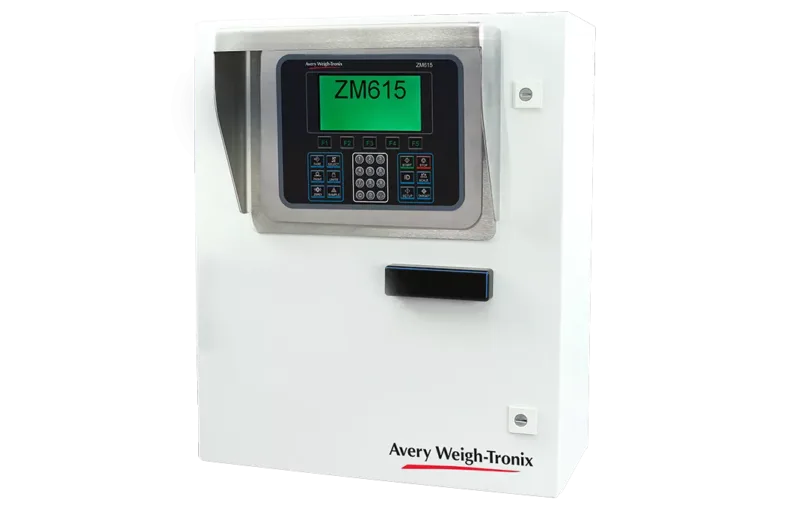
Keep your truck scale operating safely, efficiently and smoothly without a dedicated operator.
We work with a network of reliable and trusted distribution partners to ensure that we can offer a truly personal, local service, wherever you’re located.